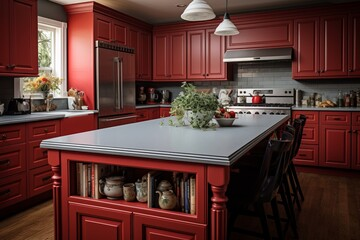
Tag: cabinet refacing

How to Add Hardware After Cabinet Refinishing for a Complete Makeover

Cabinet Refinishing San Jose CA

You don’t have to remove your cabinet doors for a fresh look. Instead, try updating them with molding, inserts, and other decorative touches.

Use baseboard trim pieces with mitered corners to create a frame on the face of a slab cabinet door, and affix them using wood glue. Visit Cabinet Refinishing San Jose CA for more information.

Choose Your Hardware

Updating hardware can be one of the most impactful ways to refresh your home. From kitchen cabinet pulls to door knobs, drawer and cabinet hardware can add a finishing touch that elevates the look of your space. There are a lot of choices, from traditional to modern and everything in between. Hardware is also a great way to express your personal style. From crystal knobs to specialty painted handles, the options are endless.

When choosing your hardware, let the overall design of your space guide you. For example, if you have more contemporary cabinetry, you might want to opt for more clean-lined hardware. On the other hand, if your cabinets are more traditional or modern traditional, you might want to opt for more intricately designed hardware.

Other factors to consider include the finish and material of your hardware. For instance, if you have warm cabinetry, brass hardware might go well with them, while cool cabinets might work better with steel or chrome hardware. You might also want to choose a material that is easy to maintain. For example, unlacquered brass will develop a warm patina that looks beautiful over time and is resistant to stains.

Once you’ve chosen your hardware, it’s a good idea to test out the pieces before finalizing any decisions. Place the knobs or handles on your cabinet doors and drawers to see how they feel in your hands and how well they fit the size of the opening. You should also try to match the hardware to your cabinet color.

Then, mark where the holes will be on the door or drawer front using a pencil or a ruler. This will help you make sure that your new hardware is placed correctly and doesn’t cover up any existing holes. For a quicker and easier process, invest in a cabinet hardware jig like the True Position Tools Cabinet Hardware Jig ORIGINAL to get perfectly aligned knob or handle holes every time.

Measure Your Space

When you decide to upgrade your cabinets, it’s important to consider the overall design of your kitchen. The cabinet doors you choose should match your style, rather than clash with it. Lighter cabinet colors can make a room feel airy and bright, while darker shades can add depth and warmth. You should also take into account the color of your walls, flooring and decor pieces. Matching your cabinets to these elements will help create a cohesive look that you’ll love for years to come.

To measure your cabinets, you’ll need a tape measure and pad of paper. Start by measuring the length of each cabinet in inches. Then, add these numbers together and divide the total by 12. The resulting number is how many linear feet of cabinets you have. This measurement can be helpful when shopping around for quotes from painters, as it will give you a ballpark figure of how much your project will cost.

In addition to using a tape measure, it’s a good idea to sketch out your kitchen on paper before you get started. This will help you keep track of all your measurements and ensure that you’ve measured everything correctly. It’s also easy to forget a small detail, like the thickness of the cabinet door, if you don’t draw it out on paper first.

Another advantage of a written diagram is that you can reference it later when you’re ready to install your new hardware. It can also help you remember the measurements if you’re working with multiple people on the project, which is often the case during a cabinet refinishing job. This helps prevent confusion and allows everyone to work more efficiently.

Test-Fit Your Hardware

If you’re refacing your cabinets, the first step is to clean all of the surfaces that will be covered by the new veneer or panels. Use a mild degreaser to remove any oils or dirt that could prevent the adhesive from bonding properly. Then, once everything has been cleaned, it’s time to start applying the veneer or panels.

Before applying the new veneer, it’s a good idea to test-fit your cabinet hardware to ensure that it will fit and be functional. You can do this by using tape or sticky tack to mark the location of your cabinet handles and knobs. Then, you can play around with the hardware placement until it looks right to you.

Another thing to keep in mind when choosing your cabinet hardware is that it will impact the overall look of your kitchen. There are a lot of different trends when it comes to cabinet hardware, so make sure that you choose something that will match the rest of your kitchen design. For example, warm cabinets tend to look best with brass or bronze hardware while cool cabinets look better with silver and black.

To find the size of your cabinet door, you can measure the distance from the bottom edge of the upper or lower cabinet doors to where you want the handle or knobs to go. Then, you can subtract that amount from the overall width of the cabinet door to get its finished size.

You can also try measuring the screw hole spacing on your existing hinges to determine their actual dimensions and positioning. This can be helpful if you’re going to install the same type of hinges on your refurbished cabinetry, as it will give you an idea of how far apart the holes need to be for your new cabinet hardware.

Drill the Holes

You’ve spent a lot of time and money on your cabinet refinishing project. Now it’s time to install the new hardware! While this step can seem tedious, it is very important to get right. Installing your new hardware in the wrong place can ruin your beautiful kitchen! I’ve seen many homeowners skip this step to “save time,” but it usually backfires. They end up with misaligned handles, a splotchy finish, and frustration.

To avoid these issues, follow the tips below to ensure that your new hardware is installed correctly.

If you’re using a jig, make sure it has the correct drill bit size for your hardware. The jig should also have hardware spacing pins to set the space between holes on both sides of the door. Line up the jig with your mark and drill. Repeat this process for each side of your cabinet door and drawer.

Before drilling, put a piece of tape or sticky-tack on the back of your hardware to test its placement. This will help prevent the hardware from accidentally popping off when you screw it in. It will also give you a good idea of whether your drilled holes will be centered vertically or horizontally.

After you’ve drilled the holes, use a clean cloth to wipe away any dust or debris from your doors and drawers. This will prepare them for priming and painting. Then, apply an even coat of your chosen cabinet paint to the doors and drawers. Allow to dry for at least 24 hours, then sand with very fine grit sandpaper to smooth the surface. If you’re worried about your ability to get the perfect match in a small area, consider using a high-quality primer like Extreme Bond, which will provide superior adhesion and eliminate the need for extensive sanding before painting.

Paint Your Cabinets

Installing cabinet hardware correctly is one of the most important steps in a successful kitchen remodel, especially when it comes to cabinet drawers and doors. Not only does the hardware need to look good, but it also needs to function properly. That’s why it’s important to test-fit your new handles and knobs before committing to them.

This step is a must regardless of the style you choose for your cabinet hardware. It may seem like an extra step, but it’s worth the effort to avoid the stress of a DIY disaster down the road. You’ll save time by testing the fit of your hardware before committing to it, and you’ll avoid the frustration of having to redo an entire project due to a misalignment of handles or crooked paint.

While you’re at it, take the opportunity to clean your cabinets with a degreaser to remove any grease or oil that has built up over time. This will help to ensure that your new primer and paint adhere properly.

Once your cabinets are clean, lightly scuff the surface using 220-grit sandpaper or a sanding block to scuff up any sheen and give them a smoother grip for the primer and paint. This will also help to eliminate any lingering dust from your previous finish, and it’s always a good idea to prep the surface before painting to ensure the best results.

If you’re ready to make a change to your cabinets, contact us at N-Hance today. Our experienced team can walk you through the process, from refinishing to installing hardware and everything in between. Schedule an estimate online or over the phone to get started.

Layout Matters: How to Optimize Space and Workflow in Your Kitchen Remodeling Project

When homeowners begin planning a kitchen remodeling project, their attention often gravitates toward finishes—cabinet colors, countertop materials, backsplash patterns, and lighting fixtures. While aesthetics certainly play an important role, the true success of any kitchen renovation lies in its layout. A well-designed kitchen layout directly impacts daily functionality, cooking efficiency, storage accessibility, and overall comfort. If the flow of movement feels cramped or disorganized, even the most beautiful design can become frustrating. That is why optimizing space and workflow should be the foundation of every Kitchen Remodeling Lexington KY project.

The kitchen is one of the most frequently used spaces in any home. It serves as a cooking area, gathering place, homework station, and sometimes even a home office. Because of its multifunctional nature, the layout must accommodate various activities without creating congestion. Proper space planning ensures that movement between key areas—such as the sink, stove, and refrigerator—feels intuitive and unobstructed. When these zones are positioned thoughtfully, tasks can be completed efficiently, reducing unnecessary steps and improving overall productivity.

kitchen remodeling

One of the most widely recognized principles in kitchen design is the work triangle concept. This design approach connects the three primary work areas: the sink, the cooktop or range, and the refrigerator. The idea is to create a triangular path that minimizes walking distance while maintaining adequate space between each point. If these elements are too close together, the kitchen can feel cramped. If they are too far apart, meal preparation becomes inefficient. During a kitchen remodeling project, evaluating and refining the work triangle often leads to noticeable improvements in daily functionality.

However, modern kitchen remodeling goes beyond the traditional work triangle. Today’s kitchens frequently incorporate additional zones to support evolving lifestyles. These may include beverage stations, baking areas, food prep counters, and even technology hubs for charging devices. By dividing the kitchen into clearly defined zones, homeowners can improve workflow and prevent traffic bottlenecks. For example, placing a microwave drawer and snack storage in a separate area allows children or guests to access food without interfering with cooking tasks.

Maximizing available space is another critical aspect of layout optimization. Even large kitchens can feel inefficient if storage and workspace are poorly arranged. Conversely, small kitchens can function beautifully when every square foot is used strategically. Cabinet design plays a major role in this process. Deep drawers for pots and pans, pull-out shelves for pantry items, and corner cabinet solutions increase accessibility and reduce wasted space. Vertical storage solutions, such as tall cabinets or open shelving, take advantage of ceiling height while keeping essential items within reach.

Countertop space is equally important when optimizing workflow. Ample prep areas near the sink and cooktop allow for smooth transitions between washing, chopping, and cooking. During a kitchen remodeling project, consider how much continuous counter space is available and whether it supports your cooking habits. Expanding countertops or adding an island can significantly enhance usability. An island not only provides additional workspace but also offers seating, storage, and a central gathering area.

Lighting also influences how efficiently a kitchen functions. Poor lighting can make food preparation difficult and create safety hazards. Layered lighting—combining ambient, task, and accent lighting—ensures that each work zone is properly illuminated. Under-cabinet lighting brightens countertops, while pendant lights over islands improve visibility and add visual interest. Thoughtful lighting placement enhances both workflow and overall design cohesion.

When planning a kitchen remodeling layout, there are several key strategies to consider:

  1. Establish Functional Zones: Create designated areas for cooking, cleaning, food prep, and storage to prevent overlapping activities and improve efficiency.
  2. Maintain Clear Pathways: Ensure that walkways between work areas are wide enough to allow multiple people to move comfortably without obstruction.
  3. Prioritize Storage Accessibility: Use pull-out drawers, lazy susans, and custom inserts to maximize storage capacity and keep frequently used items within easy reach.
  4. Optimize Appliance Placement: Position appliances logically to support natural workflow and minimize unnecessary movement.

Appliance placement deserves special attention in any kitchen remodeling project. Large appliances such as refrigerators, ovens, and dishwashers should be installed in locations that align with daily habits. For example, placing the dishwasher near the sink simplifies cleanup, while situating the refrigerator near the entrance allows easy access for unloading groceries. Wall ovens positioned at eye level improve ergonomics and reduce strain when checking or removing dishes. Careful consideration of appliance placement enhances both comfort and safety.

Traffic flow is another essential element of layout design. Kitchens often serve as central hubs within the home, meaning multiple people may enter and exit throughout the day. If pathways intersect directly with cooking zones, congestion can occur. Designing a layout that separates primary cooking areas from main walkways helps maintain efficiency and prevent accidents. Open-concept kitchens benefit from clear boundaries that define the workspace without isolating the cook from social interaction.

Storage planning should reflect lifestyle needs. Households that cook frequently may require additional pantry space and specialized storage for cookware. Those who entertain often may prioritize serving areas and beverage centers. Tailoring the layout to personal habits ensures that the kitchen functions seamlessly for its intended purpose. Custom cabinetry and built-in organizers can significantly enhance storage efficiency, reducing clutter and maintaining a clean, streamlined appearance.

Ventilation is another often-overlooked factor in kitchen remodeling layout decisions. Proper placement of range hoods and ventilation systems ensures that smoke, grease, and odors are effectively removed from the space. Inadequate ventilation can compromise indoor air quality and diminish comfort. Integrating ventilation systems into the layout from the outset ensures optimal performance and compliance with building standards.

In smaller kitchens, creative design solutions can dramatically improve usability. Galley layouts, L-shaped designs, and U-shaped configurations each offer unique advantages depending on the available space. A galley kitchen, for example, maximizes efficiency by placing work areas along parallel walls, minimizing travel distance. An L-shaped layout opens up corner space and allows for flexible appliance placement. U-shaped kitchens provide abundant counter and storage space while maintaining proximity between work zones.

For larger kitchens, the challenge often lies in preventing excessive walking distances. Expansive layouts may benefit from secondary prep sinks, double islands, or additional refrigeration units to reduce travel time between tasks. Dividing large kitchens into clearly defined zones ensures that space feels cohesive rather than overwhelming.

Ergonomics also plays a crucial role in optimizing layout. Counter height, cabinet placement, and appliance positioning should align with the user’s physical comfort. Drawers placed at waist height are easier to access than deep lower cabinets. Adjustable shelving accommodates varying storage needs. By prioritizing ergonomics, homeowners can reduce strain and create a more comfortable working environment.

Technology integration has become increasingly common in kitchen remodeling projects. Smart appliances, touchless faucets, and integrated charging stations require thoughtful placement within the layout. Planning for electrical outlets, USB ports, and under-cabinet wiring ensures that technology enhances functionality rather than creating clutter. Seamless integration supports modern lifestyles while maintaining a clean and organized appearance.

When evaluating your kitchen remodeling layout, consider these additional factors:

  1. Workflow Efficiency: Assess how easily you can move between cooking, cleaning, and storage areas without obstruction.
  2. Adaptability: Ensure the layout can accommodate future changes, such as new appliances or evolving household needs.
  3. Visual Balance: Maintain symmetry and proportion in cabinetry, islands, and open spaces for a cohesive design.
  4. Multi-Functionality: Design the kitchen to support dining, socializing, and working without compromising primary cooking tasks.

Budget considerations also influence layout decisions. Expanding plumbing or relocating major appliances may increase costs due to additional labor and materials. While dramatic layout changes can enhance functionality, they should be balanced against financial constraints. Consulting with experienced remodeling professionals helps identify cost-effective solutions that deliver maximum impact.

Ultimately, a successful kitchen remodeling project begins with strategic layout planning. A visually stunning kitchen may capture attention initially, but long-term satisfaction depends on how well the space functions day after day. By focusing on workflow, storage efficiency, traffic flow, and ergonomic comfort, homeowners can create a kitchen that feels intuitive and inviting.

Layout matters because it determines how seamlessly daily tasks are performed. From preparing meals and cleaning dishes to hosting gatherings and helping children with homework, the kitchen supports countless activities. Optimizing space and workflow ensures that the room adapts to these demands without frustration.

In conclusion, kitchen remodeling is far more than a cosmetic upgrade—it is an opportunity to redesign how one of the most important spaces in the home operates. By prioritizing layout optimization, homeowners can enhance efficiency, improve comfort, and increase property value. Thoughtful planning, strategic zoning, and attention to workflow transform kitchens into highly functional spaces that support modern living. When layout becomes the guiding principle, the result is a kitchen that not only looks beautiful but also performs effortlessly for years to come.

Navigation