Indoor air quality plays a critical role in the comfort, safety, and health of any home or commercial property. While most property owners focus on visible cleanliness, hidden systems such as HVAC ductwork often go unnoticed. Unfortunately, air ducts can become breeding grounds for mold when moisture and organic debris accumulate inside the system. Mold in air ducts is not just a maintenance issue—it is a health and structural concern that can impact an entire building. Understanding the causes, risks, and professional Air Duct Cleaning Utah solutions available is essential for preventing contamination and maintaining a healthy indoor environment.
Mold thrives in environments where moisture, warmth, and organic material are present. HVAC systems naturally create airflow and regulate temperature, but they can also produce condensation. When humidity levels rise or when components such as evaporator coils accumulate moisture, damp conditions can develop inside the ductwork. Dust, pollen, and debris that settle within ducts provide an organic food source for mold spores. Once mold begins growing in air ducts, it can spread quickly through the ventilation system, distributing spores throughout living and working spaces.
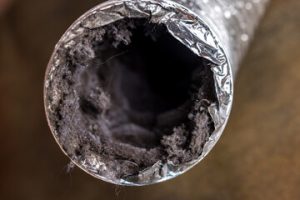
One of the most common causes of mold in air ducts is excessive indoor humidity. When humidity levels consistently exceed recommended ranges, condensation can form within ducts, particularly in uninsulated sections or areas exposed to temperature differences. Poor ventilation and inadequate insulation further increase the likelihood of moisture buildup. Additionally, water damage from roof leaks, plumbing issues, or flooding can introduce moisture directly into duct systems. If these issues are not addressed promptly, mold growth can begin within as little as 24 to 48 hours.
Another contributing factor is neglected HVAC maintenance. Over time, dust and debris accumulate in ductwork, creating ideal conditions for mold colonization. Dirty air filters, clogged condensate drain lines, and malfunctioning components can exacerbate moisture problems. Without regular inspection and cleaning, these small issues can compound, leading to significant mold contamination. Routine HVAC maintenance is therefore not only about energy efficiency but also about preventing microbial growth and protecting indoor air quality.
The risks associated with mold in air ducts extend beyond unpleasant odors. Mold spores circulating through the HVAC system can trigger respiratory irritation, allergic reactions, coughing, sneezing, and eye discomfort. Individuals with asthma or compromised immune systems may experience more severe symptoms. Continuous exposure to mold-contaminated air can also lead to chronic sinus issues or headaches. For workplaces, poor indoor air quality can reduce employee productivity, increase absenteeism, and negatively affect overall morale. In residential settings, families may notice persistent musty smells or unexplained health symptoms without realizing the source lies within the ductwork.
Structural concerns are also important to consider. While mold primarily affects air quality, prolonged moisture in duct systems can damage insulation, corrode metal components, and compromise HVAC efficiency. Mold growth inside ducts may indicate larger moisture control problems within the property, such as poor insulation or hidden leaks. Addressing mold without correcting the underlying cause can result in recurring contamination, making a comprehensive evaluation essential.
Recognizing the signs of mold in air ducts can help property owners act quickly. Common indicators include a persistent musty odor when the HVAC system operates, visible mold growth around vents or registers, unexplained allergy symptoms, and excessive dust accumulation. In some cases, mold may be visible inside vent openings, but often it remains hidden deeper within the duct network. Because of this, professional inspection is often necessary to confirm contamination and determine its extent.
Several primary causes commonly lead to mold growth in air ducts:
- High Indoor Humidity – Consistently elevated humidity levels create condensation inside ductwork.
- Poor Ventilation – Limited airflow allows moisture to linger and accumulate.
- Water Intrusion – Roof leaks, plumbing failures, or flooding introduce moisture into the system.
- Dirty HVAC Components – Accumulated dust and debris provide nutrients for mold spores.
- Inadequate Insulation – Temperature differences cause condensation within unprotected ducts.
Understanding these causes highlights the importance of proactive prevention and regular system maintenance.
Professional mold remediation for air ducts involves a systematic and thorough process designed to eliminate contamination and prevent recurrence. The first step is a comprehensive inspection using specialized tools such as moisture meters, cameras, and air sampling equipment. This assessment determines the severity of contamination and identifies contributing factors such as leaks or excessive humidity. Accurate diagnosis ensures that remediation efforts address both visible mold and hidden growth.
Containment is a critical part of professional duct cleaning. Technicians isolate affected areas to prevent spores from spreading to clean parts of the property during the cleaning process. Negative air pressure systems and HEPA filtration units are commonly used to capture airborne spores. This controlled environment minimizes cross-contamination and protects occupants during remediation.
Once containment is established, professional cleaning begins. High-powered vacuums equipped with HEPA filters remove debris and mold spores from the duct interior. Specialized brushes and agitation tools dislodge contaminants from duct surfaces, ensuring thorough removal. In some cases, antimicrobial treatments are applied to sanitize surfaces and inhibit future growth. These solutions are carefully selected to be effective while maintaining safety standards for indoor environments.
Drying and moisture control follow the cleaning phase. Eliminating mold without addressing moisture sources will lead to recurrence. Professionals may recommend repairing leaks, improving insulation, cleaning condensate lines, or installing dehumidifiers to maintain optimal humidity levels. Long-term prevention depends on maintaining balanced indoor conditions and ensuring that HVAC components function properly.
There are several key benefits to hiring professional air duct cleaning services for mold remediation:
- Comprehensive Removal – Professionals access deep sections of ductwork that are unreachable with DIY methods.
- Advanced Equipment – HEPA filtration and industrial-grade tools ensure effective spore capture.
- Moisture Diagnosis – Experts identify and correct underlying moisture issues.
- Improved Air Quality – Thorough cleaning reduces allergens and airborne contaminants.
- Preventive Guidance – Recommendations help prevent future mold growth.
While some property owners may attempt to clean vents themselves, surface cleaning alone is insufficient for addressing mold inside the duct network. DIY methods often fail to eliminate spores embedded within insulation or duct seams. Moreover, disturbing mold without proper containment can release additional spores into the air, worsening indoor air quality. Professional remediation ensures safe handling and thorough decontamination.
Preventive measures play a significant role in avoiding future mold issues. Maintaining indoor humidity levels between recommended ranges reduces condensation risk. Regularly replacing air filters, scheduling HVAC inspections, and ensuring proper ventilation in moisture-prone areas such as kitchens and bathrooms all contribute to mold prevention. Insulating ductwork in unconditioned spaces further minimizes temperature fluctuations that lead to condensation. These proactive steps protect both air quality and system efficiency.
Energy efficiency is another indirect benefit of clean air ducts. Mold and debris buildup restrict airflow, forcing HVAC systems to work harder to maintain temperature. This increased strain can raise energy consumption and utility costs. Clean ductwork allows air to circulate freely, improving system performance and extending equipment lifespan. Investing in professional cleaning, therefore, supports both environmental and financial sustainability.
Odor elimination is an additional advantage of addressing mold promptly. Mold colonies produce volatile compounds that create a musty smell, often noticeable when the HVAC system starts. Professional cleaning removes the source of these odors rather than masking them with fragrances. Fresh, odor-free air contributes to a more comfortable indoor environment and enhances overall property appeal.
For commercial properties, maintaining clean air ducts is particularly important. Employees and visitors expect safe and comfortable indoor conditions. Mold contamination can lead to liability concerns, health complaints, and damage to reputation. Routine inspections and timely remediation demonstrate a commitment to workplace health and safety. For residential properties, families benefit from reduced allergy symptoms, improved comfort, and greater peace of mind.
In conclusion, mold in air ducts is a serious issue that demands prompt attention. Caused primarily by excess moisture, poor ventilation, and accumulated debris, mold can spread rapidly throughout HVAC systems, impacting indoor air quality and occupant health. The risks include respiratory irritation, structural concerns, energy inefficiency, and persistent odors. Professional cleaning solutions provide comprehensive inspection, containment, removal, and moisture control, ensuring effective remediation and long-term prevention.
By investing in professional air duct mold remediation and adopting preventive maintenance practices, property owners safeguard their indoor environment and HVAC systems. Clean, well-maintained ductwork supports healthier living and working conditions, enhances energy efficiency, and protects property value. In an era where indoor air quality is more important than ever, addressing mold in air ducts is not simply a maintenance task—it is an essential step toward creating a safe, comfortable, and sustainable space.